

Project snapshot: Non-invasive handheld bale moisture sensor for the Australian export fodder industry
A non-invasive bale moisture sensor could improve moisture testing, operator safety and hay quality in the export fodder industry.

Tickets are now on sale for evokeAG. 2027. Explore ideas ready to trial, hear what’s working on-farm and find clearer pathways to adoption.
Secure your ticket todayThe nationally acclaimed program supports Australian undergraduate students studying a degree with relevant majors which align to agriculture
Apply nowAddressing the complex future challenges facing our sector
See project resourcesSA teacher-turned-farmer Narelle Zanker wins National title, NT pastoral innovator Kelly Shotton named Runner Up
Read moreNew plan puts productivity and profitability at the centre of Australian rice RD&E
Find out moreAs part of the broader Assessment, an executive summary focused specifically on liquid fuels (diesel) has been released to ensure immediate challenges can be addressed.
Read the Executive SummaryUNEARTHED: The people changing Australian agriculture. A new podcast from AgriFutures Australia.
Listen or watch for freeWe believe in the power of great ideas, and we welcome your application for funding to address our current research priorities.
Find out more
Project snapshot: Non-invasive handheld bale moisture sensor for the Australian export fodder industry
A non-invasive bale moisture sensor could improve moisture testing, operator safety and hay quality in the export fodder industry.
Report: Non-invasive handheld bale moisture sensor for the Australian export fodder industry
A new handheld sensor measures bale moisture without a stick probe, helping the export fodder industry improve safety, quality and storage decisions.

Fact sheet: Hazelnut disease: Texas root rot
Texas root rot, also called cotton root rot or Phymatotrichum root rot, is caused by the soil-borne fungus Phymatotrichopsis omnivorum. It is one of the...
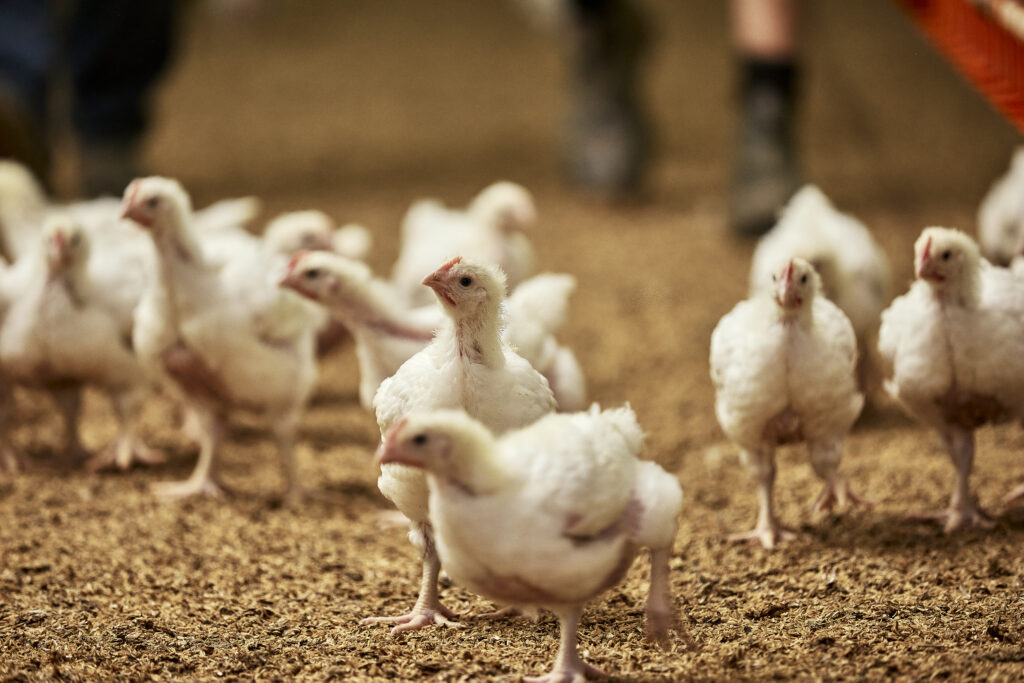
Join us for the Chicken Meat Program's extension webinar series, designed to connect the outcomes and benefits of research with industry.
National Challenges and Opportunities New AgriFutures Australia research warns the establishment of Varroa mite is putting increasing pressure on Australia’s pollination system, with implications extending beyond beekeeping to agricultural productivity and national food security.
4 min read
Workforce and Leadership For James Telford, a passion for animal health and livestock production has always been part of the plan. But it wasn't until he became an AgriFutures Horizon Scholar that he realised just how many career pathways agriculture could offer.
4 min read
Goat Fibre Susie Paterson farms goats on a property between Toowoomba and Warwick in southern Queensland, Australia. With a herd of approximately 250 breeding goats, Susie manages her goat-farming operation in a challenging environment by breeding for resilience and focusing on quality fibre production.
4 min read
Workforce and Leadership Round 2 of the AgriFutures People & Capability Program is now open, offering $500,000 in grants for practical initiatives that strengthen the workforce, skills and capability of AgriFutures industries and the broader agricultural sector.
3 min read
Export Fodder Weather induced fungal staining, also known as saprophyte damage, results from the growth of saprophytic organisms, mostly fungi, on curing hay following rainfall.
5 min read
Workforce and Leadership When Ellie Buchanan applied for the AgriFutures Horizon Scholarship in 2023, she wasn't studying an agriculture degree and wasn't entirely sure what a future career in the sector might look like.
4 min read
Our vision is to grow the long-term prosperity of Australian rural industries. Since our inception in 1990, AgriFutures Australia, formerly RIRDC, has grown and developed alongside our 13 levied industries and we’re honoured to continue this important role in supporting the growth and overall success of Australian agriculture.
Learn more about AgriFutures Australia
export fodder
Jester Strategy Pty Ltd
30 June, 2026 - 4 March, 2027
national challenges and opportunities
Commonwealth Scientific and Industrial Research Organisation (CSIRO)
14 May, 2026 - 29 January, 2028
honey bee pollination
Commonwealth Scientific and Industrial Research Organisation (CSIRO)
4 June, 2026 - 19 August, 2027