

Real-time monitoring for Australia’s rice industry

Share



A project, funded by AgriFutures Australia as part of the Wheen Bee Foundation’s 5 Bees Program, explored the potential of thermal cameras to enhance hive inspections without disrupting the bees.
The project collaborated with commercial beekeepers to trial a range of thermal cameras – from affordable smartphone attachments to high-end handheld devices – to assess their effectiveness in evaluating hive strength and health, and to determine the accessibility of the technology for broader industry adoption.
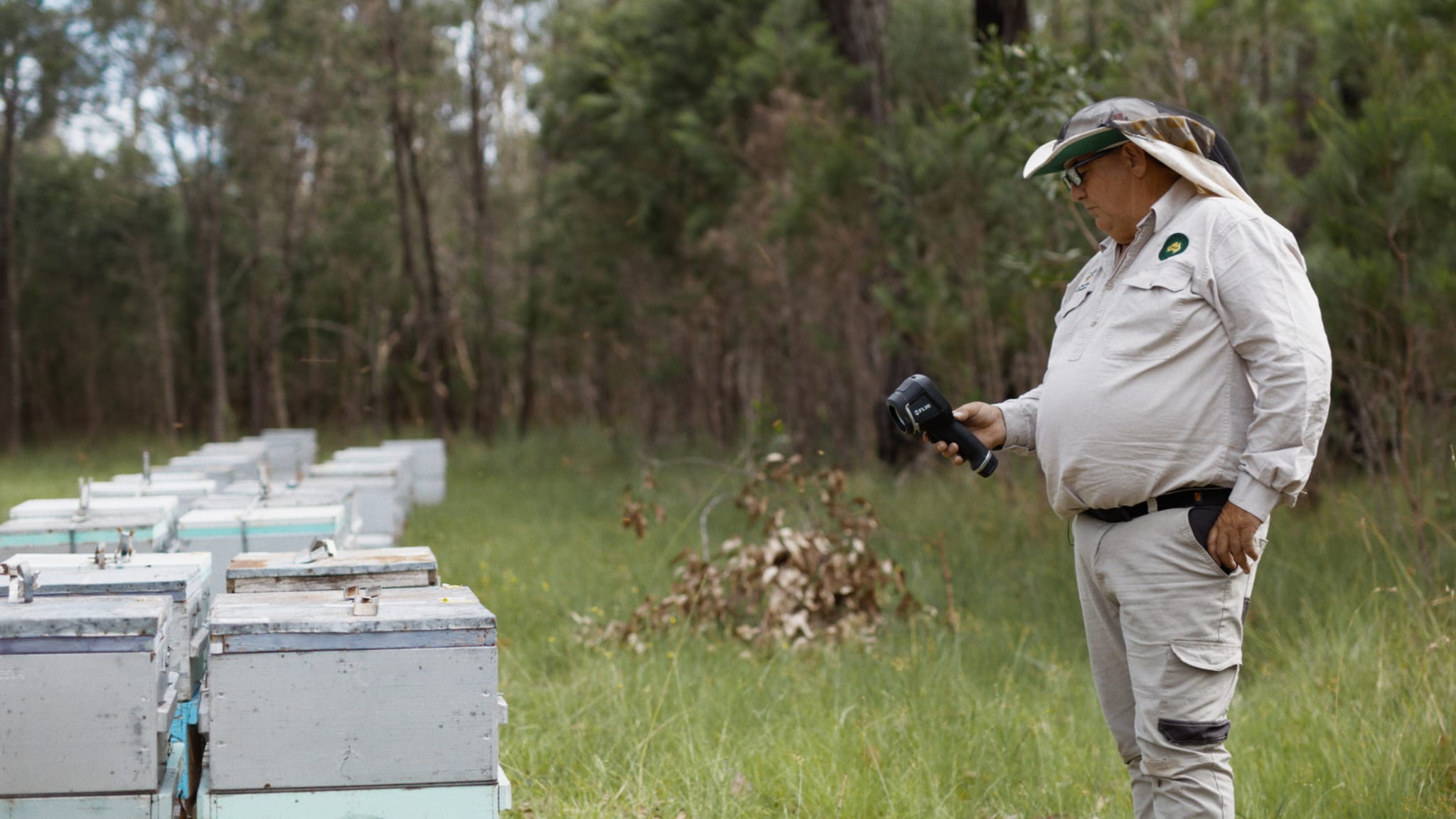
Former beekeeper Steve Fuller, was a participant of the 5 Bees program, and during the trial operated approximately 5,000 hives with his brother Wayne on the North Coast of New South Wales.
“To keep our hives productive, we’re always checking them,” said Steve.
“We treat our bee hives like crops. If you attend to them properly, they’ll keep giving.
“When it comes to pollination, you’ve got to keep your bees in peak condition to go on to various crops and that produces a larger yield on less agricultural land.”
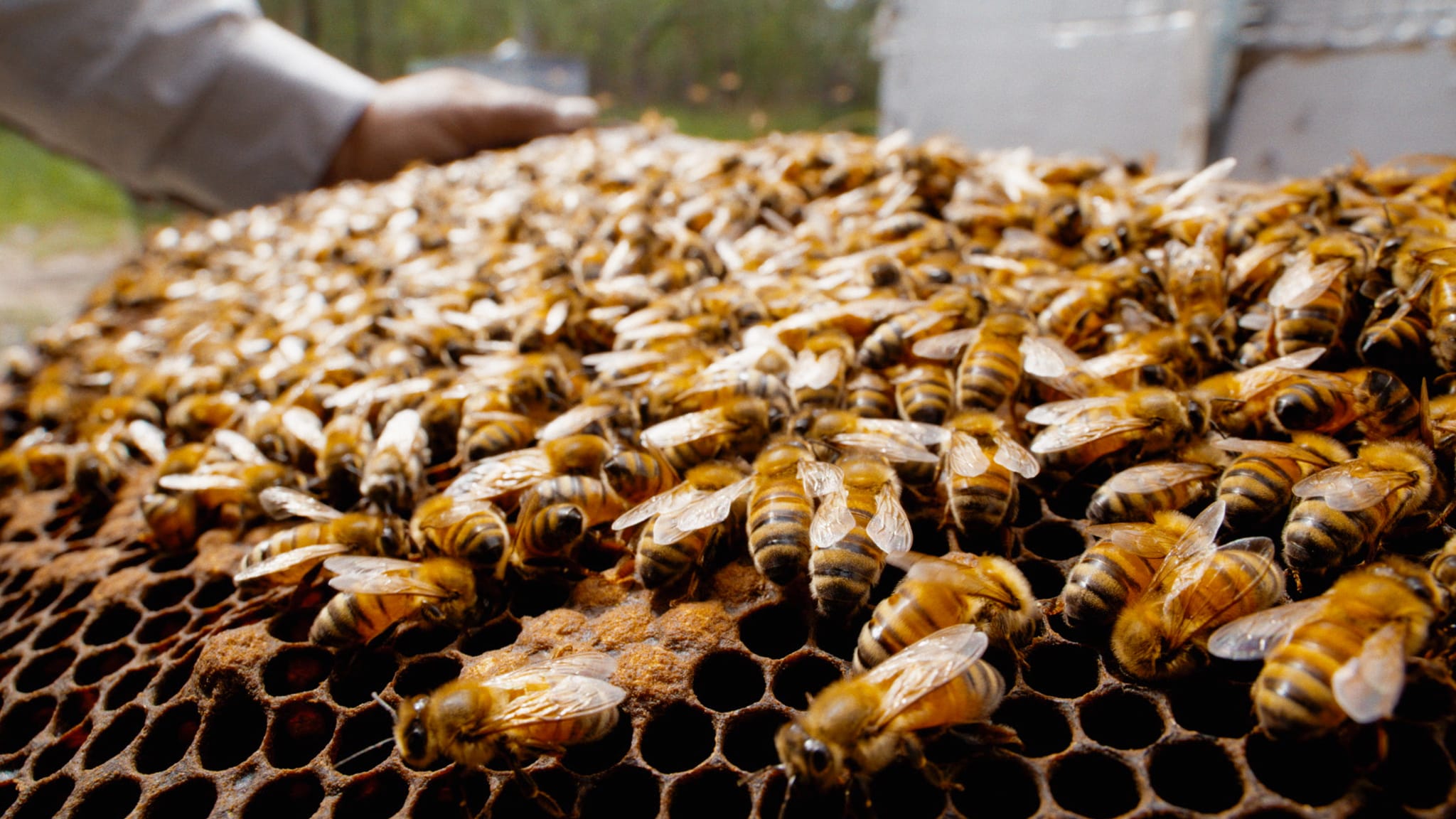
Fellow commercial beekeeper Col Maloney believes the value of a healthy hive can’t be overestimated.
“To know what’s happening inside, you’ve got to get down to the bottom box, into the brood nest, and that means we have to open it,” said Col.
“Depending upon weather conditions, this can do more harm than good to the brood nest.”
Thermal imaging allows beekeepers to assess the hives without opening the hive, reducing stress on the colony and saving time.
“It’s a non-invasive inspection of hives, at any time of the day or night” Steve said.
“If the hive’s not disrupted and you put it into pollination, they go straight to work. If the hive’s disrupted, they’ve got to get everything back in order which could take three days to a week.”
Six beekeepers were given different thermal cameras to trial, ranging from an affordable option which plugged into a phone, to a very expensive handheld device.
The trial revealed that while high-resolution feedback on hive strength was limited, thermal cameras were effective in identifying whether a hive was alive, dead, or required further management.
“Initially we were looking to see the number of frames that contained bees to determine hive strength. We were hoping we could pick that up on the expensive cameras,” said Steve.
“The cameras did give insights into whether the hive was alive, dead, or if it needed further management,” said Steve.
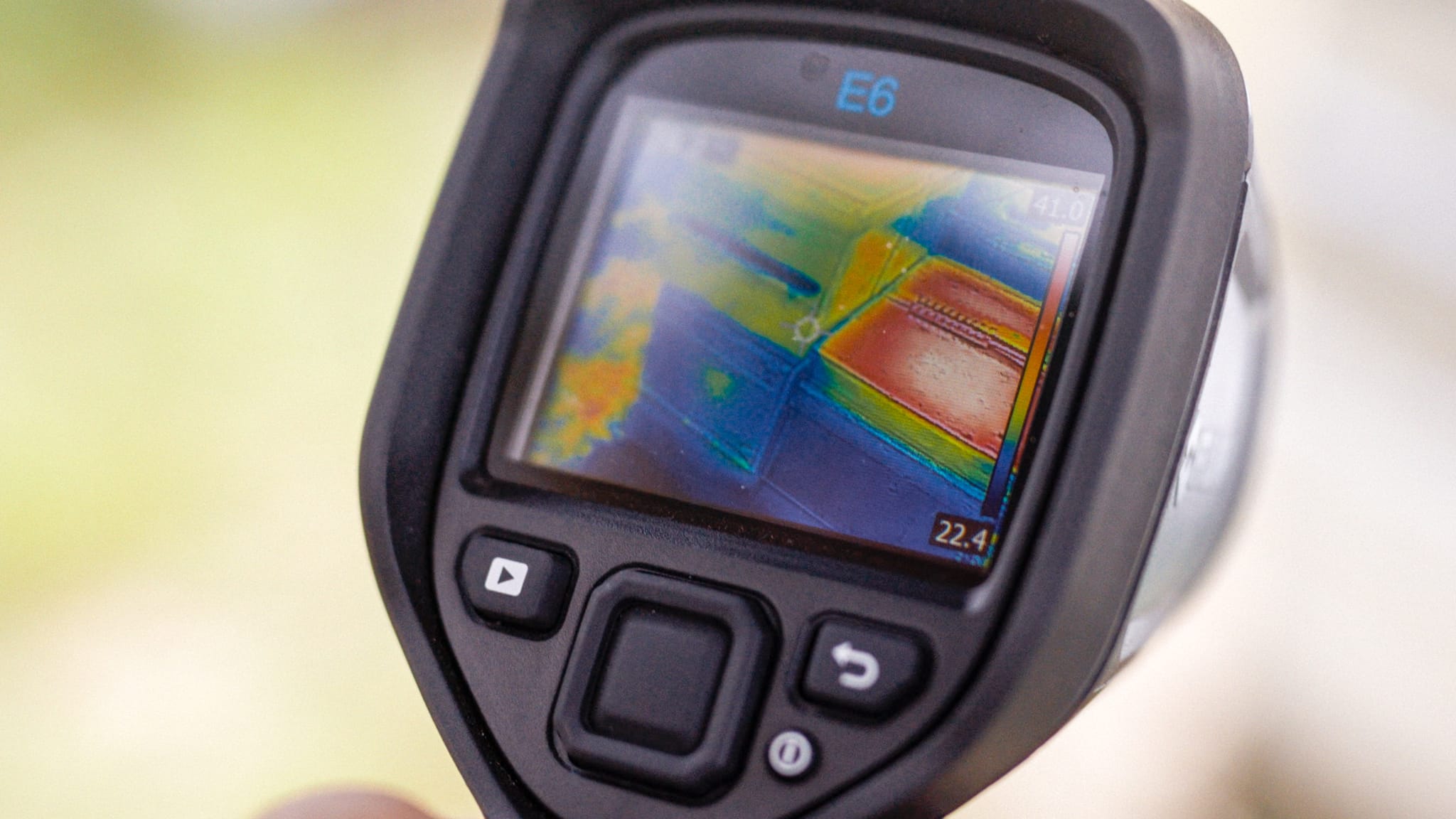
Steve says for beekeepers to embrace the technology, it must be accessible, affordable and effective to ensure widespread adoption.
“We found the best camera was the most affordable one, which could be simply used on a phone,” he says.
“Non-invasive hive inspection with thermal cameras saves time and saves money. That’s the biggest advantage of this technology.
“We could get through a lot more bees with a lot less stress and have a better picture of what’s actually happening inside the hive.”
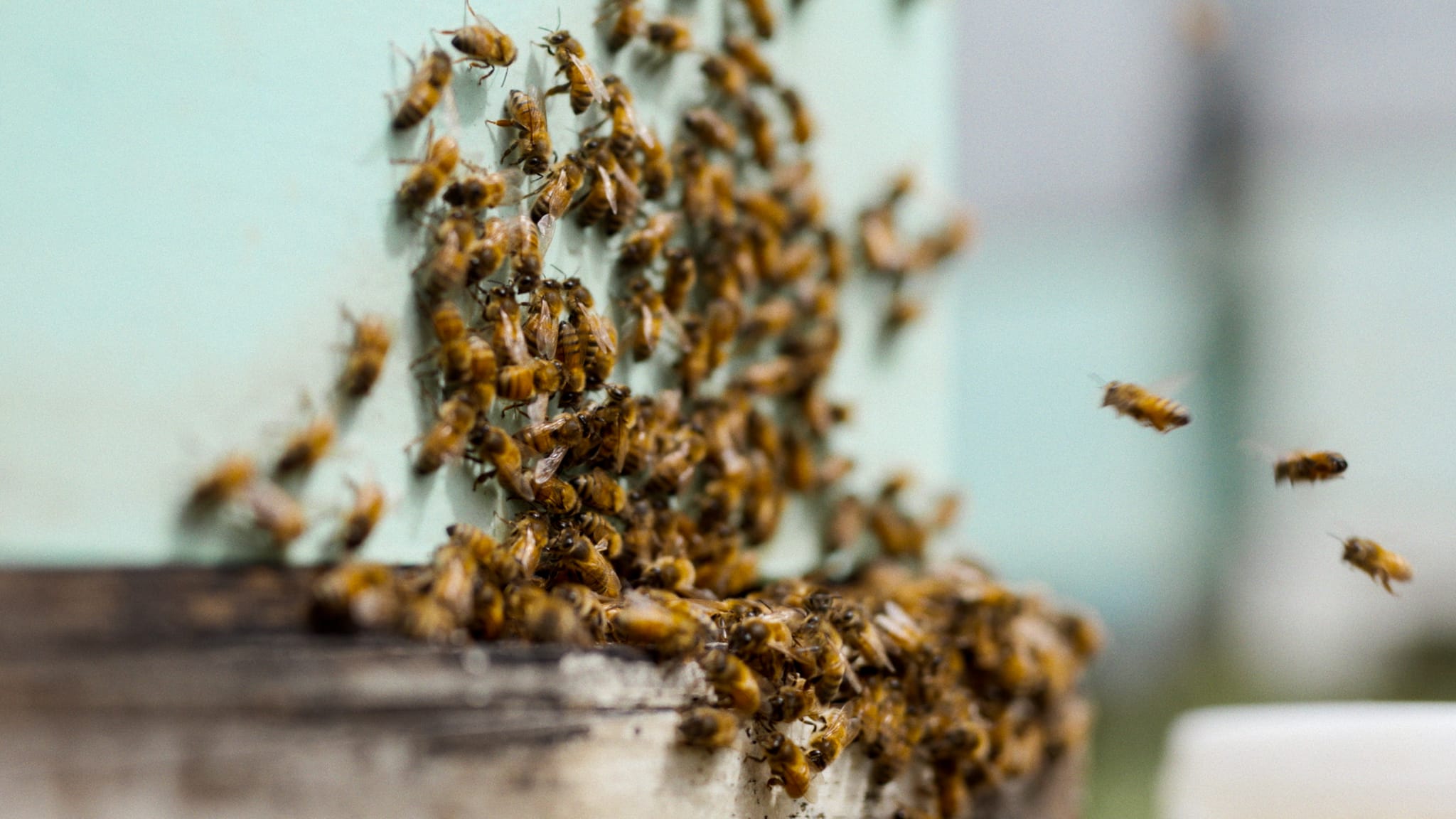
Steve believes thermal cameras provide a valuable tool in his beekeeping business and he is excited to see how the technology could evolve.
“You may be able to put it onto a drone and you won’t even have to go to your bees,” he says.
“Beekeepers are dealing with a changing landscape of challenges, including pests and diseases like varroa mite, to natural disasters such as floods and fires.
“As a result, adopting technologies that enhance hive monitoring without impacting production is highly beneficial and should be actively encouraged.”
This project was funded by AgriFutures Australia as part of the Wheen Bee Foundation’s 5 Bees Program. Beekeepers interested in learning more about the 5Bees program monitoring hive health with Thermal Cameras can visit the Wheen Bee Foundation website.
For more information about AgriFutures Australia and its Honey Bee and Pollination program visit agrifutures.com.au/honey-bee-pollination.
RICE / 17.06.25  NATIONAL CHALLENGES AND OPPORTUNITIES / 17.06.25
  CORPORATE / 17.06.25
EXPORT FODDER / 17.06.25
CORPORATE / 17.06.25
EXPORT FODDER / 17.06.25
Real-time monitoring for Australia’s rice industry
Modern farming is outgrowing Australia’s tax system, new AgriFutures research shows
Adelaide named host city for evokeAG. 2027
AgriFutures welcomes two new members to Export Fodder Advisory Panel