
Carbon farming perceptions among landholders and local governments of Southern Queensland
Selling carbon credits is a new market in the Southern Queensland region. The Emissions Reduction Fund (ERF) ran its first auction in 2015 and since...
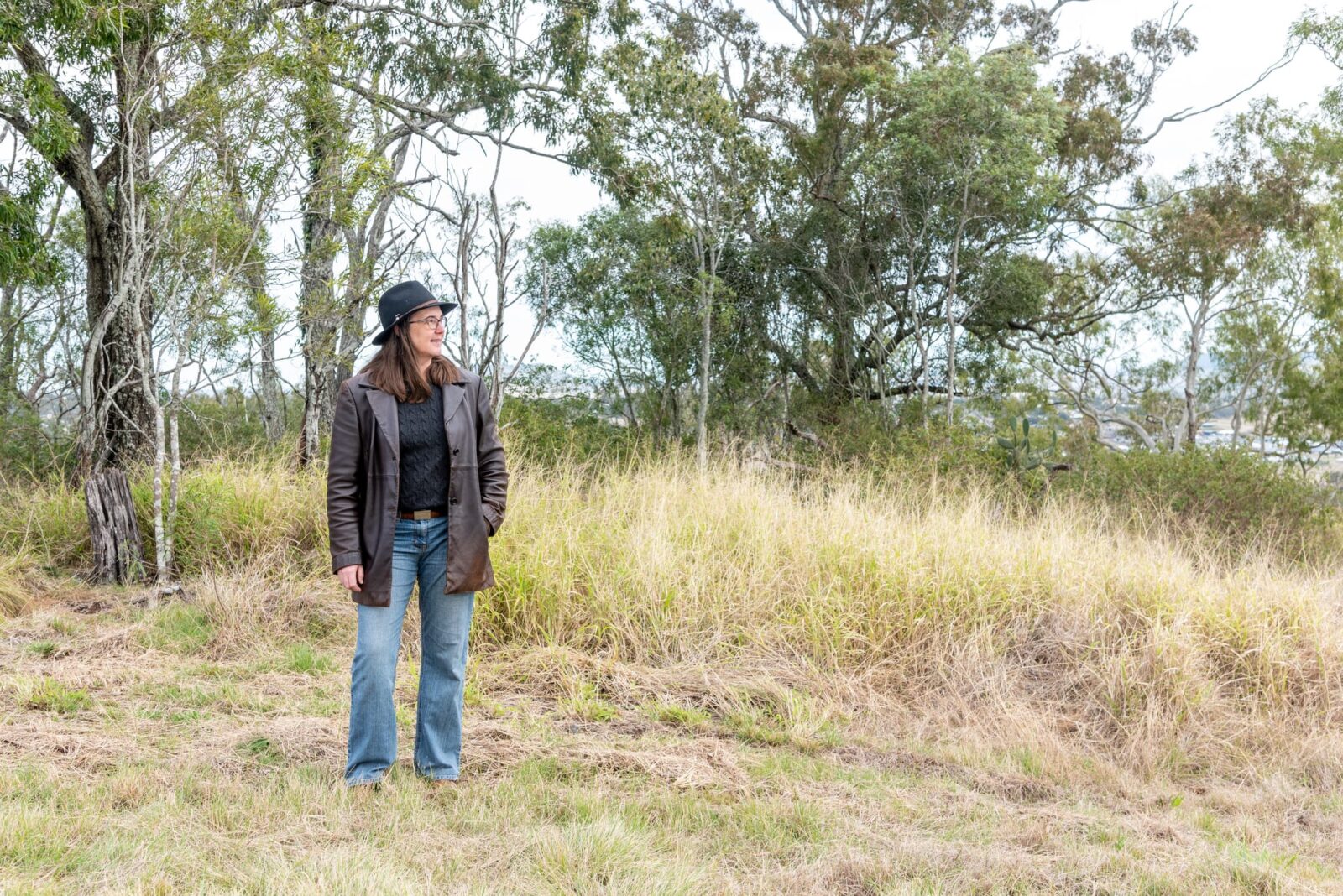
Theme two of the Carbon Initiative Program aims to help understand whether it is practicable and economically viable to establish a carbon farming and carbon markets engagement scheme based on producers:
Projects include:

Selling carbon credits is a new market in the Southern Queensland region. The Emissions Reduction Fund (ERF) ran its first auction in 2015 and since...
This project aims to understand the needs and concerns of Southern Queensland farmers towards carbon farming and carbon markets.
Publication
The aim of this study was to evaluate the potential for landholder collaboration to assist the adoption of carbon farming in Australia, while also taking account of the potential risks, barriers, and downsides of collaborative approaches.
Publication
 Rice
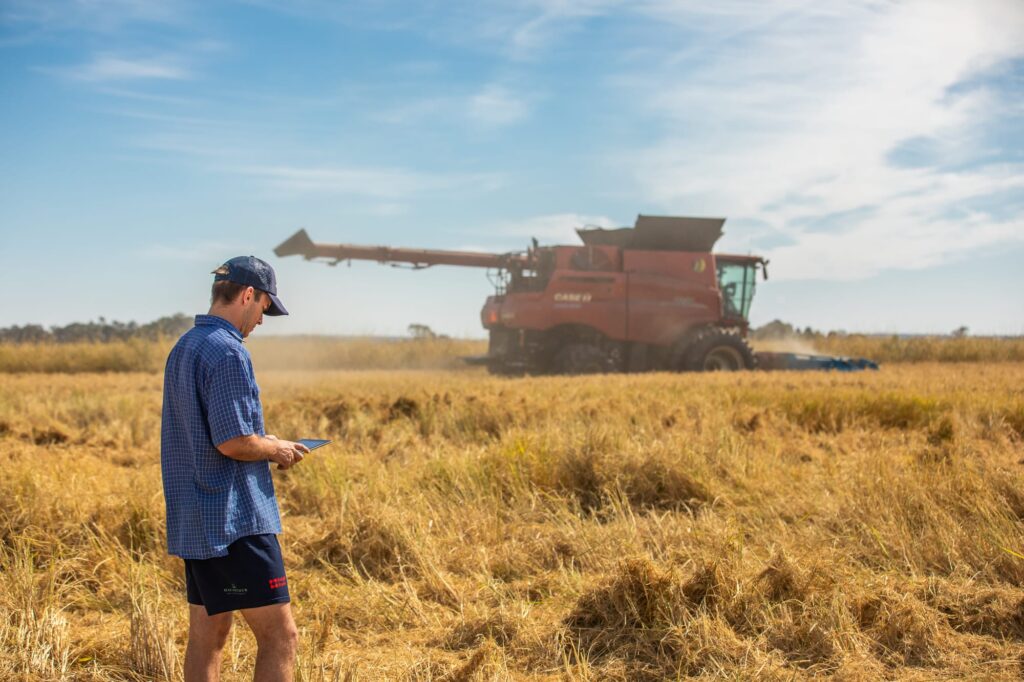
Rice An AgriFutures Australia levy-funded project is helping rice growers turn real-time data into better on-farm decisions, with practical insights that support productivity and profitability, confidence and targeted management.
3 min read
 NATIONAL CHALLENGES AND OPPORTUNITIES / 10.06.26
 Australia’s farmers are embracing new income streams to remain viable, but the nation’s tax system has not kept pace, according to new research released today by AgriFutures Australia.
2 min read

 CORPORATE / 09.06.26
 South Australia is set to take centre stage in the future of agrifood tech, as Adelaide is announced as the host city for AgriFutures evokeAG. 2027.
3 min read
 EXPORT FODDER / 02.06.26
 AgriFutures Australia has appointed two new members to its Export Fodder Advisory Panel, ensuring continued expertise to guide research, development and extension (RD&E) investment for the industry.
3 min read