
Pasture Seeds

Temperate pasture seed production is concentrated in south-eastern Australia and south-west WA. There are approximately 500 growers of temperate pasture seed in Australia. Lucerne dominates pasture seed production, accounting for 60% of certified pasture seeds produced.

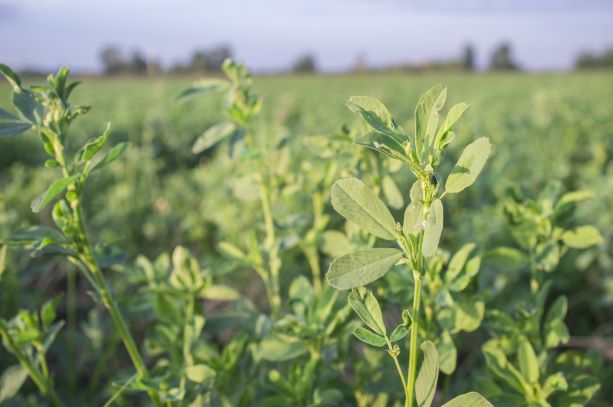
Pasture seed plants growing in an Australian paddock, representing the pasture seeds industry and forage production.

Latest news and events

A wide green field of subterranean clover under a cloudy sky, with a few scattered trees in the distance.
Pasture Seeds

Earlier swathing opens a new pathway for subterranean clover seed harvest

Subterranean clover’s ability to bury its seed supports pasture persistence but makes commercial seed harvesting difficult. The industry relies on ageing Horwood-Bagshaw (HB) suction harvesters, which collect seed from fully dry crops after repeated tillage and raking.

4 min read

Lucerne plant with small clustered purple flowers and green leaves grow densely together
PASTURE SEEDS / 28.08.26

Strategic irrigation stress can lift lucerne seed yield and returns

More water does not necessarily produce more lucerne seed. A five-year trial near Keith, South Australia, found that strategically delaying irrigation until plants showed early signs of leaf drop generally increased seed yield and consistently delivered the highest gross margin.

4 min read

A close-up of a small bluegreen aphid with translucent wings perched on a slender green plant stem, set against a blurred green background.
PASTURE SEEDS / 28.08.26

Rethinking bluegreen aphid control as insecticide resistance spreads

Bluegreen aphid is presenting a different challenge. Resistant populations have now been identified at 21 additional locations across southern Australia, including many lucerne-growing areas. Resistance to commonly used organophosphate, carbamate and synthetic pyrethroid insecticides means previous control approaches may no longer be reliable

3 min read

Desiccated lucerne seed - Dry brown seed pods on thin stems in a field, with a blurred background of similar plants under a bright, cloudy sky. The scene conveys a late autumn or early winter atmosphere.
PASTURE SEEDS / 28.08.26

Know your pest pressure: Monitoring is the foundation for managing lucerne seed wasp

What is happening in your crop may not always be obvious until yield has already been lost. DNA testing of lucerne seed deliveries found lucerne seed wasp in every harvest year and crop assessed between 2018 and 2023. Estimated industry losses averaged $5.4 million annually, with around 35% of losses concentrated in just 10% of paddocks. Later-harvested crops were generally at greater risk, although parasitoid wasps may provide valuable natural control. This research has built a clearer picture of when and where losses occur, with a longer-term aim of predicting high-risk seasons early enough for growers to act.

3 min read